..HERITAGE HOUSES IN PENANG

..ENGLISH-PENANG HOKKIEN
..POCKET DICTIONARY

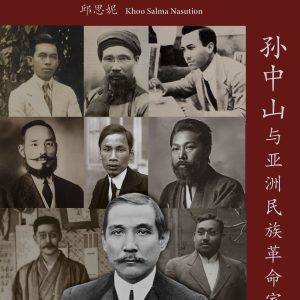
..SUN YAT SEN IN PENANG

..HELEN ONG'S GREAT DINING
..IN PENANG

..THE CHINESE IN PENANG:
..A PICTORIAL HISTORY

..DAYS GONE BYE:
..LIVING IN PENANG

..ROAD TO DAWN: FILMING
..IN PENANG

..TULILA: MUZIK BUJUKAN
..MANDAILING

..PENANG, THROUGH GUILDED
..DOORS

..MORE THAN MERCHANTS

..PENANG TRAMS,
..TROLLEYBUSES & RAILWAYS


..OUR MALAYSIA

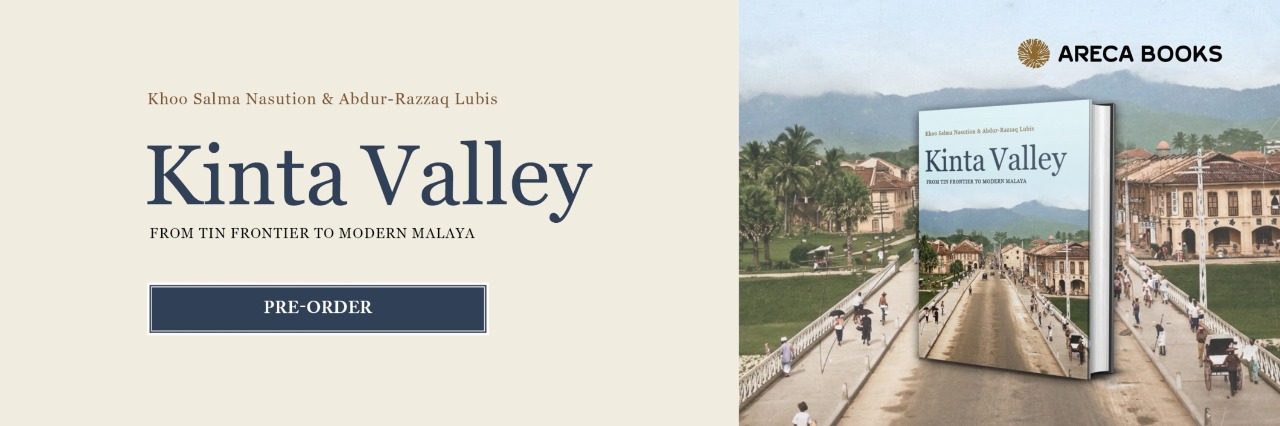
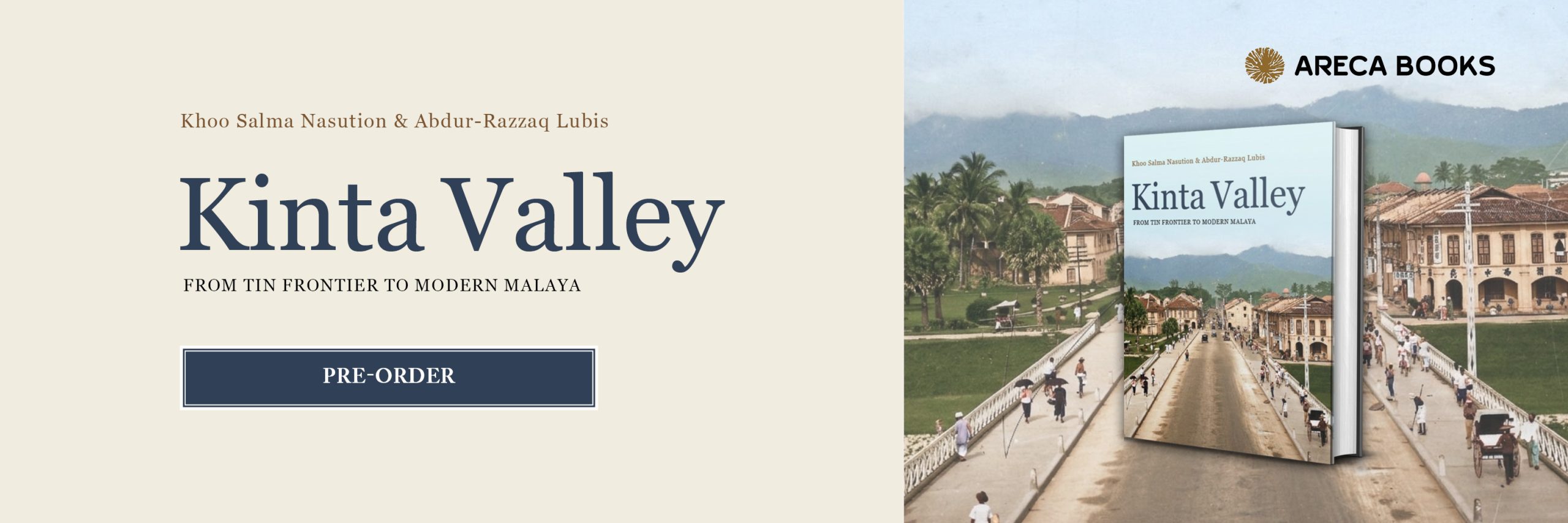
..KINTA VALLEY

..PENANG POSTCARDS
..COLLECTION


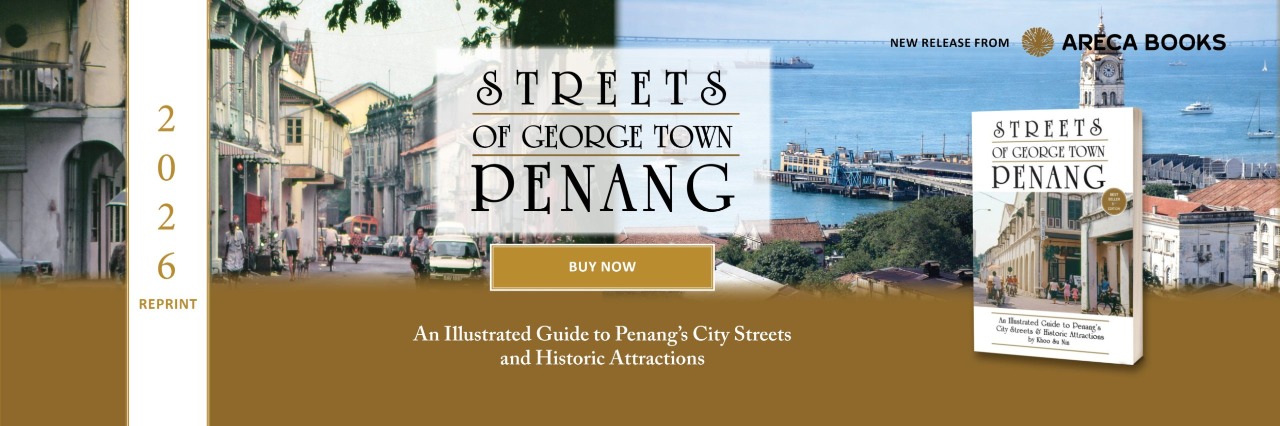
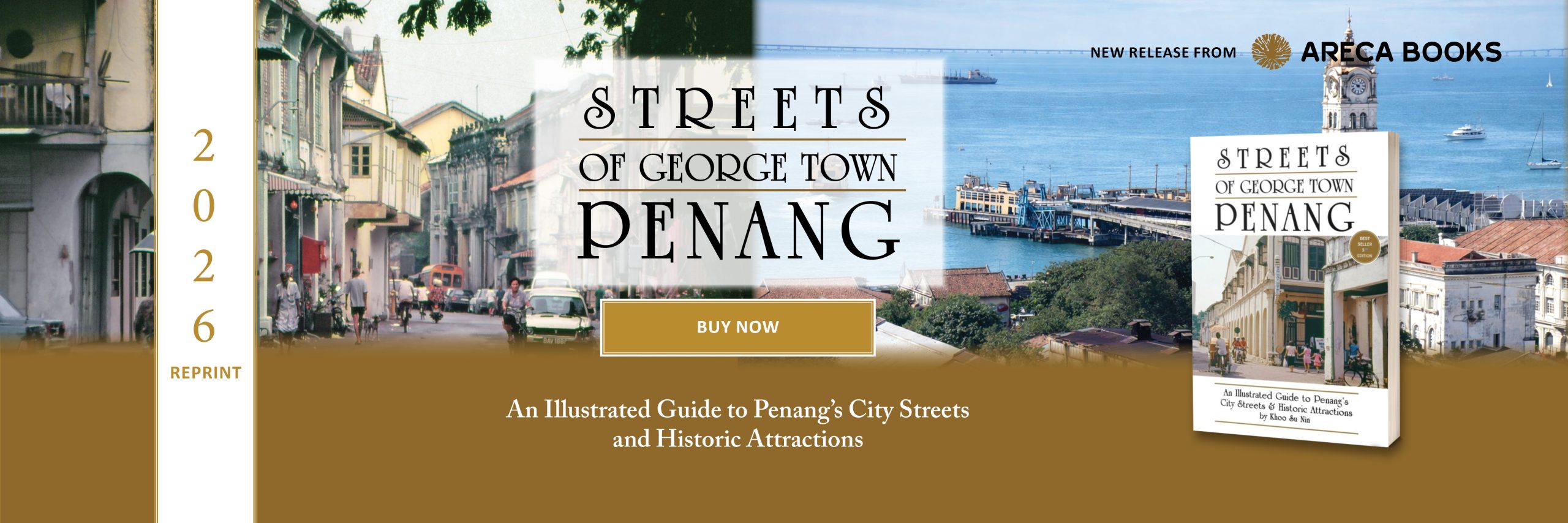
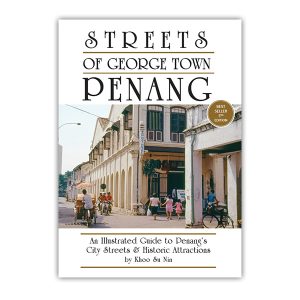
..STREETS OF GEORGE TOWN,
..PENANG


..RAJA BILAH AND
..THE MANDAILINGS
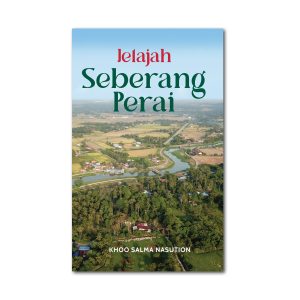
..IN PERAK


..WATER WATCH


Areca Books
120 Armenian Street
10200 Penang, Malaysia
Tel: +60 4 2620123
Fax: +60 4 2633970
Email: arecabooks@gmail.com
Website: www.arecabooks.com

The Chinese in Penang: A Pictorial Essay • Days Gone Bye: Living in Penang • Road to Dawn: Fliming in Penang • Tulila: Muzik Bujukan MandalingPenang, Through Gilded Doors • More Than Merchants: A History of the German-speaking Community in Penang 1800s-1940s • Penang Trams, Trolleybuses & Railways: Municipal Transport History 1880s-1963 • Our Malaysia: Multi-Cultural Activity Book for Young Malaysians • Kinta Valley: Pioneering Malaysia’s Modern Development • Penang Postcards Collection: 1899-1930s • Streets of George Town, Penang: An Illustrated Guide to Penang’s City Streets & Historic Attractions • Raja Bilah and the Mandailings in Perak: 1875-1911 • Water Watch – A Community Action Guide • Penang Trams, Trolleybuses & Railways: Municipal Transport History 1880s-1963 • Our Malaysia: Multi-Cultural Activity Book for Young Malaysians • Kinta Valley: Pioneering Malaysia’s Modern Development • Penang Postcards Collection: 1899-1930s • Streets of George Town, Penang: An Illustrated Guide to Penang’s City Streets & Historic Attractions • Raja Bilah and the Mandailings in Perak: 1875-1911 • Water Watch – A Community Action Guide

Price: RM 150
2005. Published by Perak Academy, Ipoh
Hard cover. 26 x 29cm,
428 pages,
607 illustrations – 410 b/w,
197 colour
ISBN No. 983-42113-09

Reviews & Press

The Star
Sunday, 11 November 2007
''From ‘hairy fruit cape’
to Tambun temples''
by Andrew Sia

The Star
Sunday, 2 July 2006
by Barbara Watson Andaya

Malaysian Culture Group Newsletter
February 2006
by Joanna Adamson

Kinkonkid
15 March 2006

The Penang File
Kinta Valley
by Lim Kean Chye

Perak Academy
Kinta Valley: Pioneering Malaysia's Modern Development

Buletin Warisan
July-September 2005
by Diana Cooper

Star Two
19 April 2005
"Much More than Tin: Mine it for Education and Tourism"
by Christina Koh

New Sunday Times
10
April 2005
"Focus: Kinta Treasures"
by Marina Emmanuel

JMBRAS Vol: 78
Part 2 2005
by H. S. Barlow

Nieuws uit de wereld van het Boeddhisme
(in Dutch)
* * *
Book Launch

Kinta Valley: Pioneering Malaysia’s Modern Development
Khoo Salma Nasution & Abdur-Razzaq Lubis
Preface by Wang Gungwu

Contents

Foreward
by Dato' Dr. Abdullah Fadzil bin Che Wan, Chairman of the Board of Governors of Perak Academy, and Orang Besar Jajahan Kinta

Preface
by Professor Wang Gungwu, East Asian Institute, Singapore

Early History
It is difficult to imagine Kinta Valley before the roads and open-cast mines - when the hills and valleys were covered with primeval forests in which great beasts like elephants, tigers and rhinoceros roamed, and Malay chiefs set up their tax stations along the Kinta River. Long before that, Kinta was the centre of an ancient Buddhist kingdom, visited by traders from India…

The Making of Kinta
The Rise of Kinta - Secret Societies & Crime - Fire, Sanitation & Railways - Agricultural Colonisation

In the last quarter of the 19th century, a handful of colonial officers, the traditional Malay elite and leaders of migrant groups collaborated to re-make Kinta. A modern administration was put in place to enable the suppression of crime, the prevention of fire, the establishment of sanitary and health services, the laying down of roads and railways, and the encouragement of agriculture - the ultimate purpose being to create the optimum conditions for the tin mining industry. In the process, Kinta was transformed into the first industrialised economy in Malaya and a showpiece of modern development.

Mining
Early Miners - Chinese Mining - European Mining - Tin Smelting - Tin Economy

The Orang Asli and Malays were the earliest miners in Kinta. Siamese and Mandailings brought with them more intensive methods. However, it was the Chinese migrants, including those from the gold-fields of California and Australia, who turned Malaya into a world tin producer. Then came the Europeans who revolutionized tin-mining in Malaya with Western capital and technology, with far-reaching effects on Kinta's society and environment. Once Kinta had been drawn into the global mining economy, the rigours of international tin restrictions favoured foreign joint-stock holders at the expanse of local workers.

Kinta Towns
Batu Gajah - Chemor - Gopeng - Kampar - Kota Bharu & Malim Nawar - Kuala Dipang & Sungei Siput - Lahat & Pengkalan Pegoh - Menglembu - Papan - Pusing & Siputeh - Sungei Raia & Kampong Kepayang -Tambun & Ampang - Tanjong Rambutan - Tanjong Tualang - Tronoh

The historic towns of Kinta are essentially towns; their booms and busts followed the vicissitudes of the mining industry. Most of them were established in the late 19th century, flourished in the 1900s, only to stagnate and decline after World War I, with the exception of an exhilarating boom in the 1920s. With greater mobility afforded by modern transport, all urban growth was concentrated in Ipoh in the north and Kampar in the south. As a result, many Kinta towns ceased to grow from then on, but retained their character and their charm.

Ipoh & Modern Kinta
Old Ipoh - Ipoh, the Hub of Malaya -Communities -Social & Professional Life - The Press - Education - Workers, Squatters & Land Hunger - Bad Times

Ipoh grew from a small village in the 1880s to Perak's largest town by 1911. The centre of the richest and most populous district in Malaya, Ipoh was home to Kinta's social and professional elite, diverse ethnic groups and significant minorities. Missionaries, private associations and philanthropists helped to develop a variety of Kinta schools. A vibrant press championed Ipoh as the 'Hub of Malaya', but the town's impressive growth was restrained by wars and recessions. As Kinta's prosperity was buoyed by tin and rubber, repeated booms and bust gave rise to deep social inequalities and contradictions.

Japanese Occupation
Japanese Invasion & Occupation - The Papan Resistance

From the invasion of Malaya in December 1941 to the end of war in August 1945, Kinta was attacked, raped and plundered. The War Years - remembered as the time the White Man fled and dubbed the Age of Tapioca - inscribed itself indelibly on the social memory of the common people. Kinta saw the militarization of the Communist Party of Malaya (CPM) and the creation of the Malayan People's Anti-Japanese Army (MPAJA), based in the hills and jungles of Kinta. The courage of Sybil Kathigasu and the Papan Resistance epitomized the challengers of this period.

The Emergency
Civil unrest, labour strife and communist ferment during the British Military Administration period led to the outbreak of the Emergency in 1948. The Kinta Valley was a 'black area' from beginning to the end of the Emergency, terrorised by incidents of grenade attack, murder and kidnapping. With the largest number of Chinese squatters of any district in the country, Kinta Valley witnessed massive resettlement and the creation of 'New Vilages' under the Briggs Plan. Government and Communists waged battle over the hearts and minds of the people in Kinta Valley, where stakes were heightened by tin wealth and a polarised population.

Environment
The Kinta River Valley - Limestone Hills - Flora & Fauna

The geography and geology of the Kinta Valley has been most studied than any other part of the country. Once pristine forest, the Kinta river valley landscape has been transformed by tin-mining and human settlements. The river and its tributaries have been silted and polluted, straightened and moved. Its limestone hills have been mined, excavated for guano and quarried. Except for the elusive serow, most of the larger wildlife in Kinta has all but disappeared. Nevertheless, the Kinta Valley retains a special interest for the naturalist because of its karst topography and flora and fauna endemic to limestone.

The Orang Asli of Kinta
The original people of Kinta are two groups of Senoi, the Temiar in Ulu Kinta and the Semai to the south, the two groups converging in the Sungei Raia valley. After the abolition of slavery in the late 19th century, the Senoi came into increasing contact with modern civilization. They were studied by museum curators, administrators and anthropologists. The encroachment upon their habitats by tin-mining and plantations was only partially checked by the creation of Orang Asli areas and reserves. Caught in the conflicts of the Japanese Occupation and the Emergency, many Senoi ex-guerrillas joined the Seno Pra'aq, shattering the Senoi's image as a non-violent people.

Colour Plates

Bibliography

Index

© 2006 Areca Books. All Rights Reserved
Designed by Adrian Cheah, Neo Sentuhan Sdn Bhd