Home
Shop
All Books
About Us
Publishing Mission
Our Titles • Catalogue
Authors
Sponsor a Book
Newsletters
Archive
Reviews
Excerpts
In The News
Maps
Visit Us
Bookshop
Contact Us
Help
Sign In/Register
Search
0
Loading cart contents...
Toggle Menu
Home
Shop
All Books
About Us
Publishing Mission
Our Titles • Catalogue
Authors
Sponsor a Book
Newsletters
Archive
Reviews
Excerpts
In The News
Maps
Visit Us
Bookshop
Contact Us
Help
Sign In/Register
Cart
0
Areca Books Titles
Loading products...
Featured
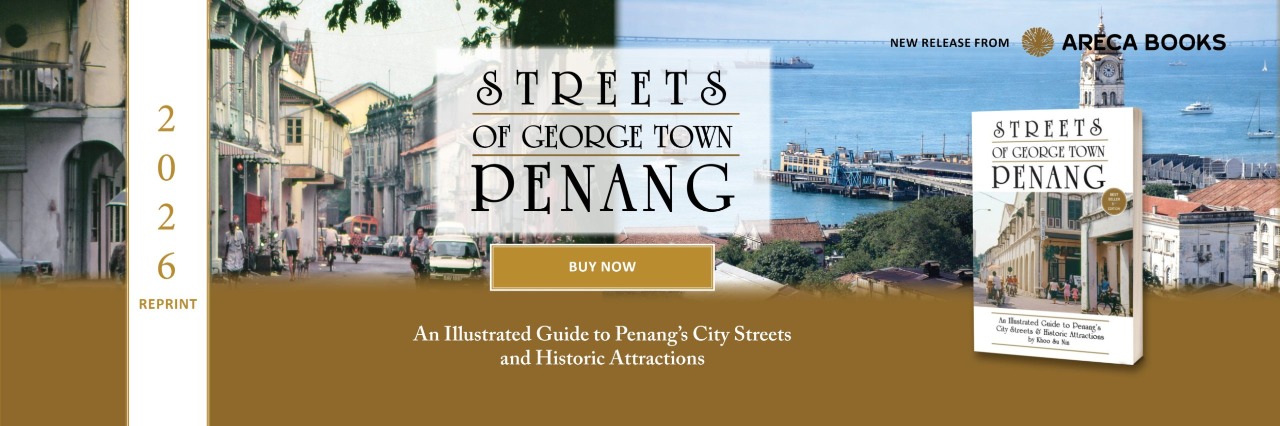
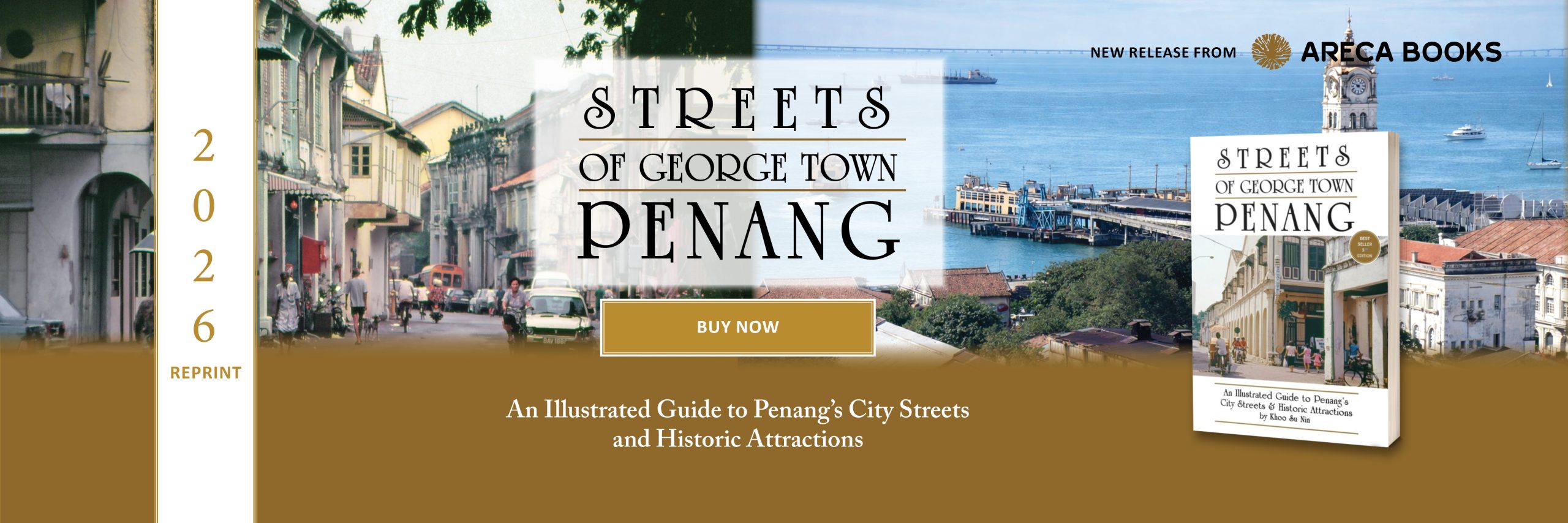
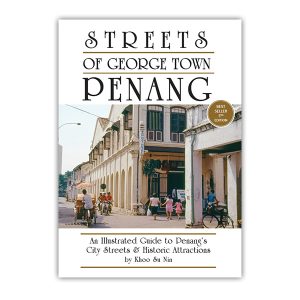
Streets of George Town, An Illustrated Guide to Penang’s City Streets and Historic Attractions
Areca Books
,
George Town
,
Penang
RM
50.00
Featured
Lim Kee Jin: Doctor and Mentor
Areca Books
,
Biography
,
History & Social History
,
Journeys
,
Malaysiana
RM
80.00
Featured
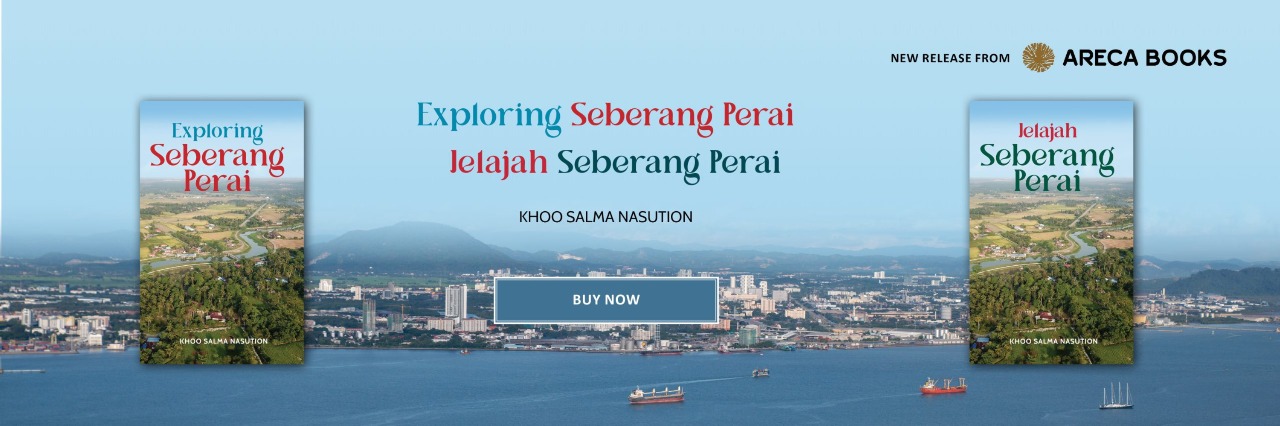
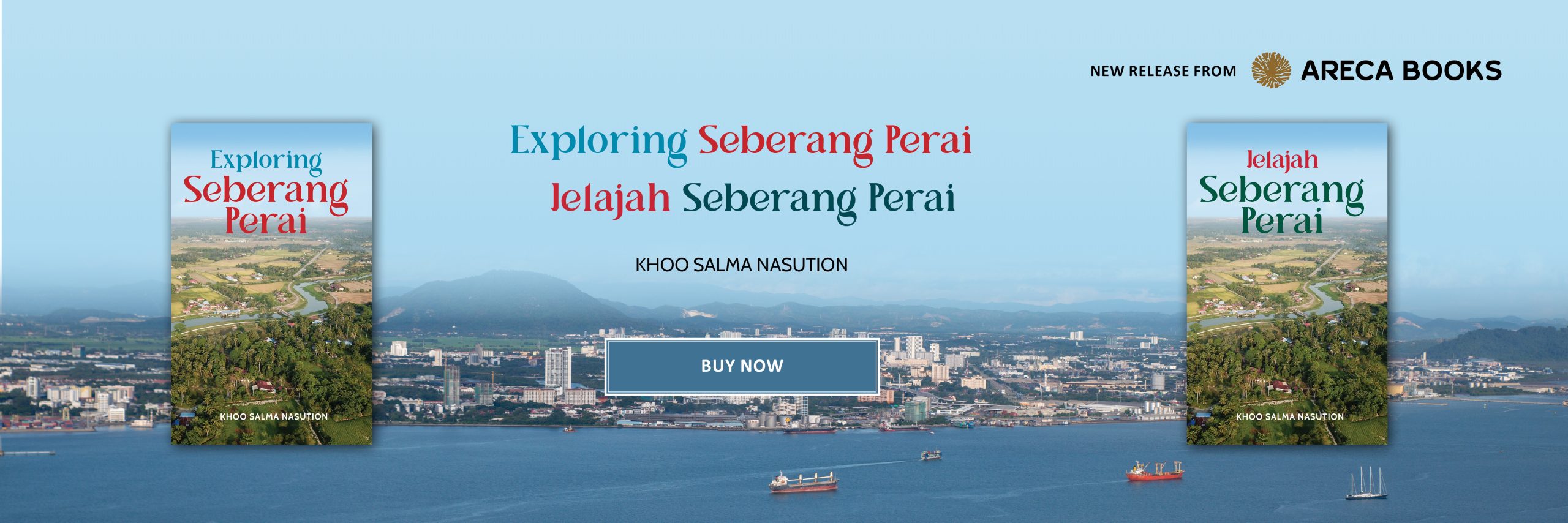
Jelajah Seberang Perai (Bahasa Melayu)
Areca Books
,
Cultural Heritage
,
History & Social History
,
Malaysiana
,
Nature, Ecology and Environment
RM
40.00
Featured
Exploring Seberang Perai (English version)
Areca Books
,
Cultural Heritage
,
History & Social History
,
Malaysiana
,
Nature, Ecology and Environment
RM
40.00
Featured
Pemulai ke Nanga Jela, Return to Nanga Jela
Areca Books
,
Malaysiana
,
Nature, Ecology and Environment
RM
100.00
Featured
On Making A Difference: The Joyful Journey of an Educationist
Areca Books
,
Biography
RM
80.00
Featured
From Malay Garden to Table
Areca Books
,
Cookbooks
,
Cultural Heritage
,
History & Social History
,
Malaysiana
,
Peranakan
RM
120.00
Featured
A Gallery of Chinese Kapitans
Areca Books
,
Biography
,
Cultural Heritage
,
History & Social History
,
Malaysiana
,
Penang
RM
40.00
Featured
Malaysian Telugus, Untold Stories of Andhra Pioneers
Areca Books
,
Biography
,
Cultural Heritage
,
History & Social History
,
Journeys
,
Language
,
Music & Performing Arts
,
Recommended
,
Religion
RM
50.00
Featured
Sutan Puasa, Founder of Kuala Lumpur (2023 reprint)
Areca Books
,
Cultural Heritage
,
History & Social History
,
Journeys
,
Malaysiana
,
Recommended
RM
200.00
Featured
Suami Isteri Naik Haji
Areca Books
,
Biography
,
Books in Malay
,
History & Social History
,
Islamic
,
Journeys
,
Penang
,
Religion
RM
70.00
Featured
Zoo Taiping & Night Safari
Areca Books
,
Nature, Ecology and Environment
RM
300.00
RM
150.00
New Arrival
Loading products...
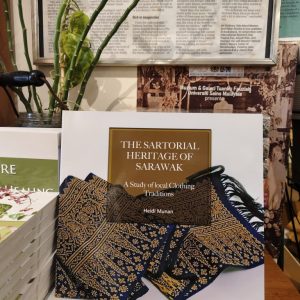
The Sartorial Heritage of Sarawak
Cultural Heritage
,
Malaysiana
,
Traditions
RM
75.00
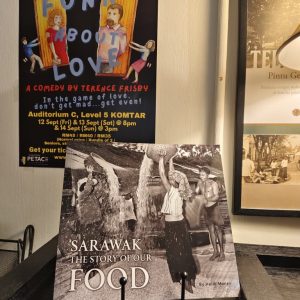
Sarawak The Story of Our Food
Cookbooks
,
Malaysiana
RM
75.00
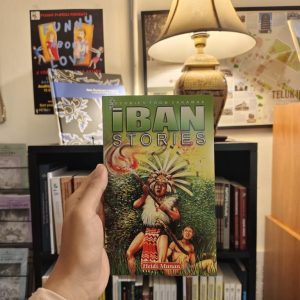
Iban Stories
Cultural Heritage
,
Folklore
,
Malaysiana
,
Young Readers
RM
12.00
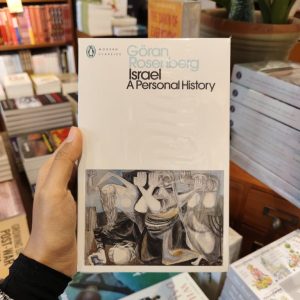
Israel: A Personal History
History & Social History
,
Journalism
,
Journeys
,
Politics
RM
90.00
Lost Times and Untold Tales From The Malay World
Literature
,
Malaysiana
RM
50.00
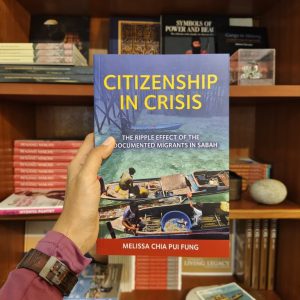
Citizenship in Crisis
History & Social History
,
Malaysiana
,
Social Issue
RM
45.00
Islam, The Hui and Localisation in China
Academics
,
History & Social History
,
Islamic
RM
58.00
Kenangan Luka
Biography
,
Books in Malay
RM
45.00
Malay Magic
Cultural Heritage
,
Malaysiana
,
Traditions
RM
110.00
A Field Guide to The Birds of Malaysia Including Sabah and Sarawak
Nature, Ecology and Environment
RM
109.90
The Sea Speaks His Name
Fiction
,
History & Social History
,
Recommended
RM
88.00
From Insurgent to Citizen
History & Social History
,
Politics
,
Social Issue
RM
63.00
Estimated handling + shipping time: 5 to 7 working days (domestic), 7 to 14 working days (international)