Home
Shop
All Books
About Us
Publishing Mission
Our Titles • Catalogue
Authors
Sponsor a Book
Newsletters
Archive
Reviews
Excerpts
In The News
Maps
Visit Us
Bookshop
Contact Us
Help
Sign In/Register
Search
0
Loading cart contents...
Toggle Menu
Home
Shop
All Books
About Us
Publishing Mission
Our Titles • Catalogue
Authors
Sponsor a Book
Newsletters
Archive
Reviews
Excerpts
In The News
Maps
Visit Us
Bookshop
Contact Us
Help
Sign In/Register
Cart
0
Areca Books Titles
Loading products...
Featured
Sun Yat Sen and the Asian Nationalists
Areca Books
,
Biography
,
History & Social History
,
Penang
,
Southeast Asia
RM
18.00
Featured
Streets of George Town, An Illustrated Guide to Penang’s City Streets and Historic Attractions
Areca Books
,
George Town
,
Penang
RM
50.00
Featured
Lim Kee Jin: Doctor and Mentor
Areca Books
,
Biography
,
History & Social History
,
Journeys
,
Malaysiana
RM
80.00
Featured
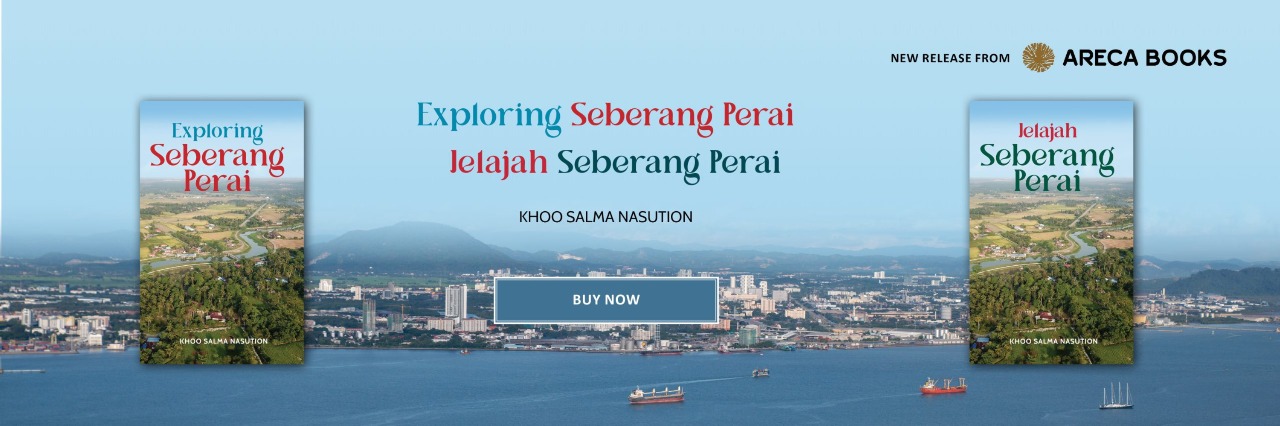
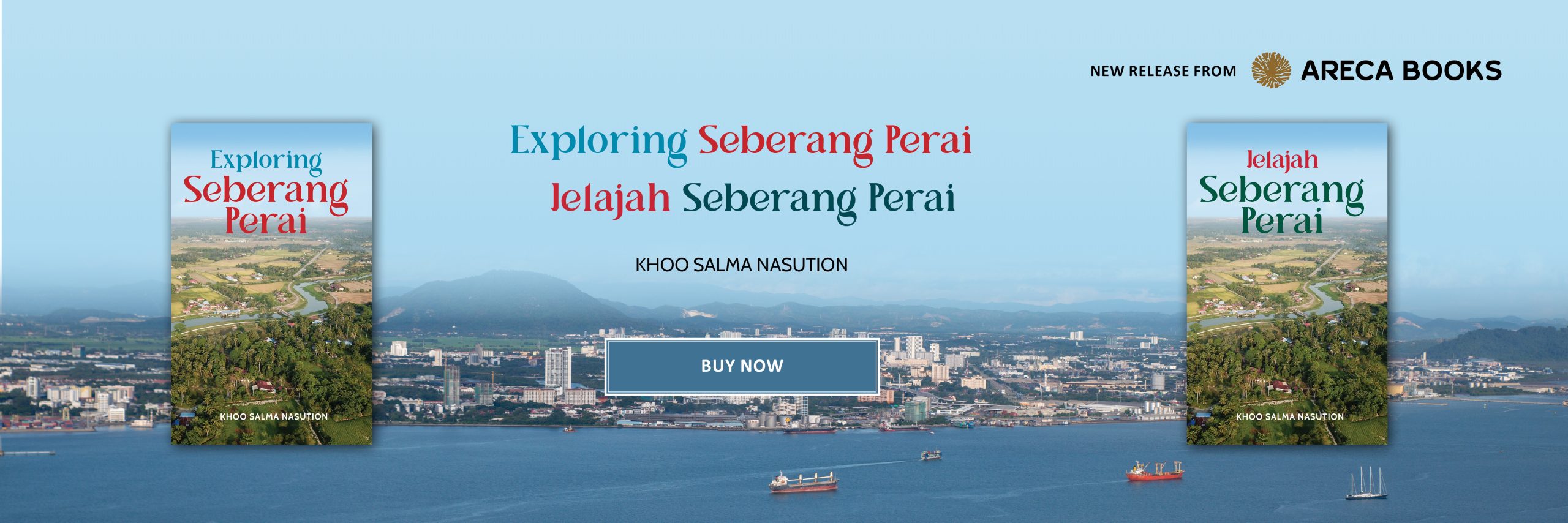
Jelajah Seberang Perai (Bahasa Melayu)
Areca Books
,
Cultural Heritage
,
History & Social History
,
Malaysiana
,
Nature, Ecology and Environment
RM
40.00
Featured
Exploring Seberang Perai (English version)
Areca Books
,
Cultural Heritage
,
History & Social History
,
Malaysiana
,
Nature, Ecology and Environment
RM
40.00
Featured
Pemulai ke Nanga Jela, Return to Nanga Jela
Areca Books
,
Malaysiana
,
Nature, Ecology and Environment
RM
100.00
Featured
On Making A Difference: The Joyful Journey of an Educationist
Areca Books
,
Biography
RM
80.00
Featured
From Malay Garden to Table
Areca Books
,
Cookbooks
,
Cultural Heritage
,
History & Social History
,
Malaysiana
,
Peranakan
RM
120.00
Featured
A Gallery of Chinese Kapitans
Areca Books
,
Biography
,
Cultural Heritage
,
History & Social History
,
Malaysiana
,
Penang
RM
40.00
Featured
Malaysian Telugus, Untold Stories of Andhra Pioneers
Areca Books
,
Biography
,
Cultural Heritage
,
History & Social History
,
Journeys
,
Language
,
Music & Performing Arts
,
Recommended
,
Religion
RM
50.00
Featured
Sutan Puasa, Founder of Kuala Lumpur (2023 reprint)
Areca Books
,
Cultural Heritage
,
History & Social History
,
Journeys
,
Malaysiana
,
Recommended
RM
200.00
Featured
Suami Isteri Naik Haji
Areca Books
,
Biography
,
Books in Malay
,
History & Social History
,
Islamic
,
Journeys
,
Penang
,
Religion
RM
70.00
New Arrival
Loading products...
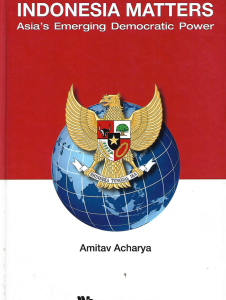
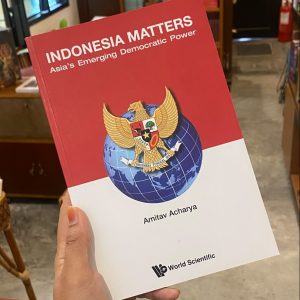
Indonesia Matters : Asia’s Emerging Democratic Power
Asia
,
History & Social History
,
Politics
,
Social Issue
RM
78.00
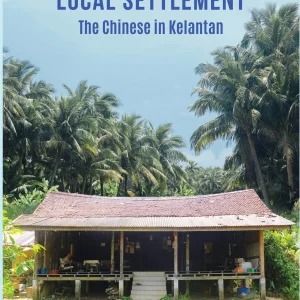
Tracing Migration and Local Settlement: The Chinese in Kelantan
Anthropology
,
Cultural Heritage
,
History & Social History
,
Malaysiana
,
Social Issue
RM
68.00
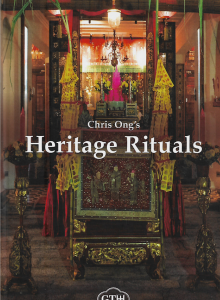
Chris Ong’s Heritage Rituals
Cultural Heritage
,
Penang
,
Peranakan
,
Visual Arts
RM
60.00
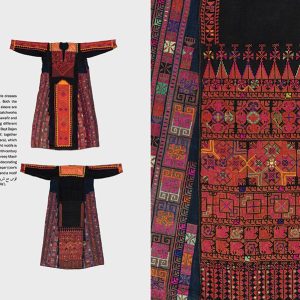
Tatreez: Reclaiming Palestine Through Embroidery
Cultural Heritage
,
History & Social History
,
Islamic
,
Journeys
,
Visual Arts
RM
135.00
Spice Journeys: Taste and Trade in the Islamic World
Books in Malay
,
History & Social History
RM
45.00
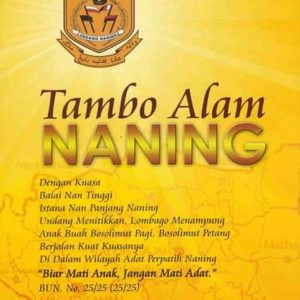
Tambo Alam Naning
Books in Malay
,
History & Social History
RM
80.00
Featured
Sun Yat Sen and the Asian Nationalists
Areca Books
,
Biography
,
History & Social History
,
Penang
,
Southeast Asia
RM
18.00
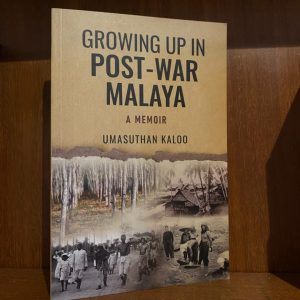
Growing Up in Post-War Malaya: A Memoir
Biography
,
History & Social History
,
Malaysiana
,
Social Issue
RM
68.00
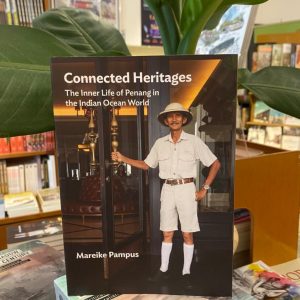
Connected Heritages: The Inner Life of Penang on the Indian Ocean World
George Town
,
History & Social History
,
Malaysiana
,
Penang
,
Peranakan
RM
68.00
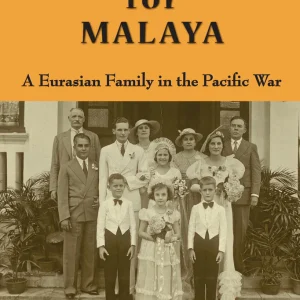
Playing for Malaya: A Eurasian Family in the Pacific War
Biography
,
History & Social History
,
Malaysiana
,
Social Issue
RM
55.00
The Chinese: Two Hundred Years In Penang – The First Chapter of The History of Overseas Chinese
Academics
,
Books in Chinese
,
History & Social History
,
Malaysiana
,
Penang
RM
60.00
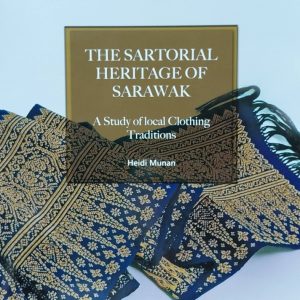
The Sartorial Heritage of Sarawak
Cultural Heritage
,
Malaysiana
,
Traditions
RM
75.00
Estimated handling + shipping time: 5 to 7 working days (domestic), 7 to 14 working days (international)